The Black Bottom
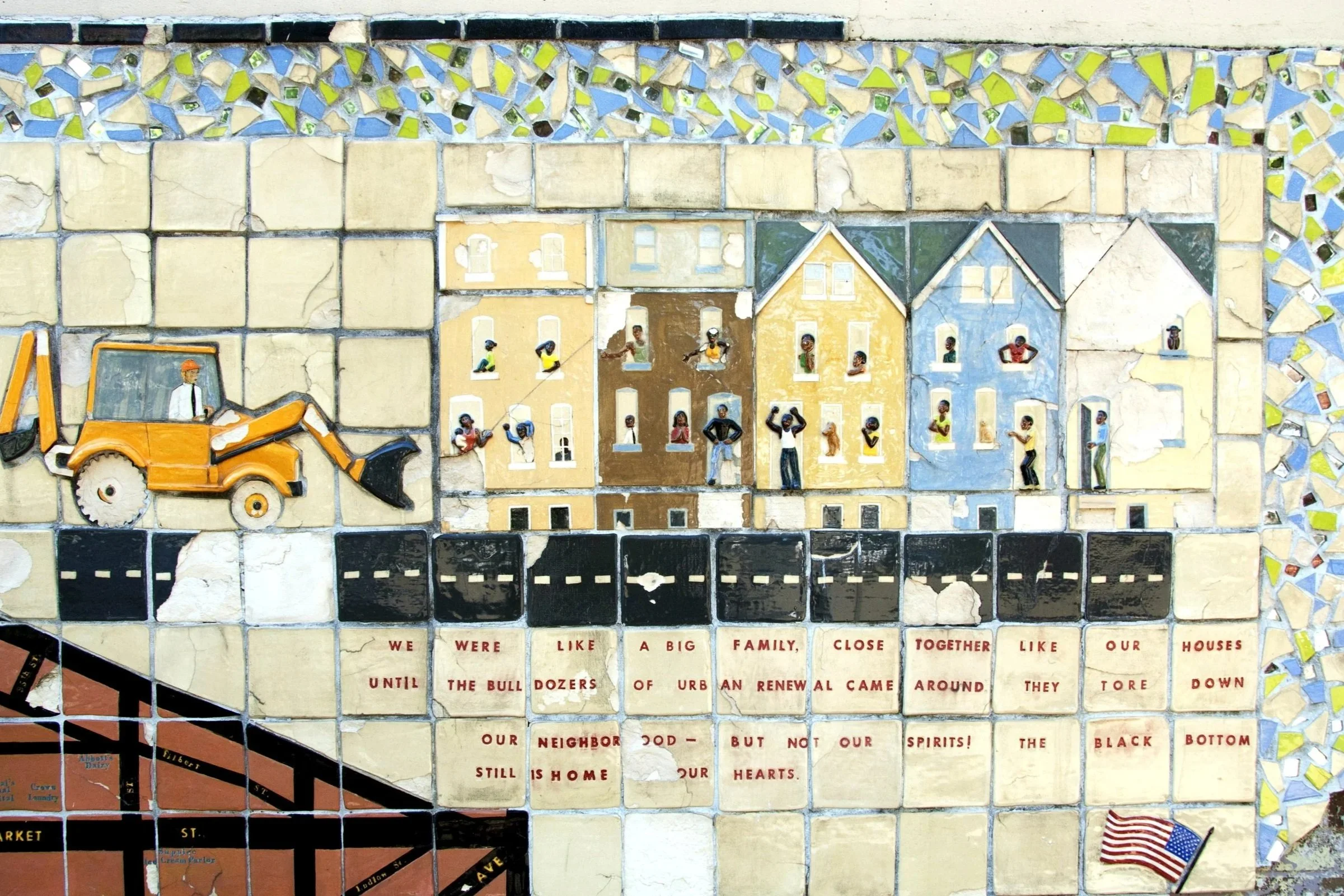
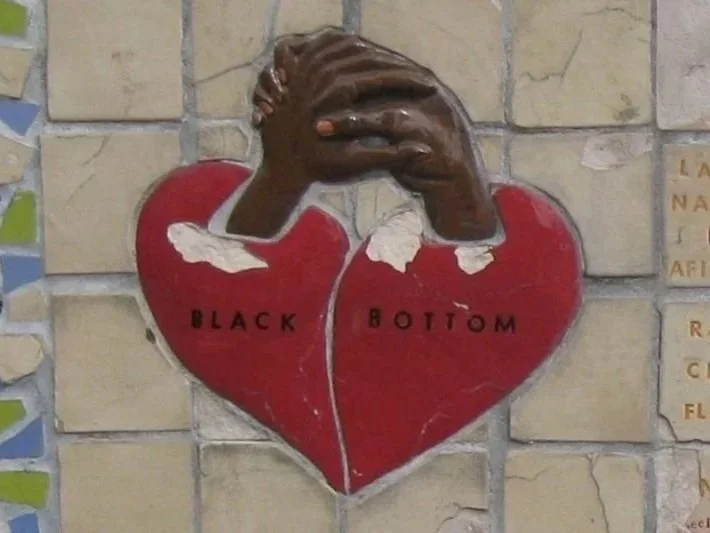
As the first Black community in West Philadelphia, the Black Bottom neighborhood can serve a microcosm through which to examine many important moments in the history of the political, social, and cultural geography of the United States.
After millennia of occupation by the Lenape, a multiracial, pre-Civil War settlement named Greenville developed just west of the Schuylkill River. After becoming part of the broader West Philadelphia streetcar suburbs in the late 1800s, immigrants from Europe and Black Americans fleeing Jim Crow and seeking economic opportunity increasingly shaped the neighborhood.
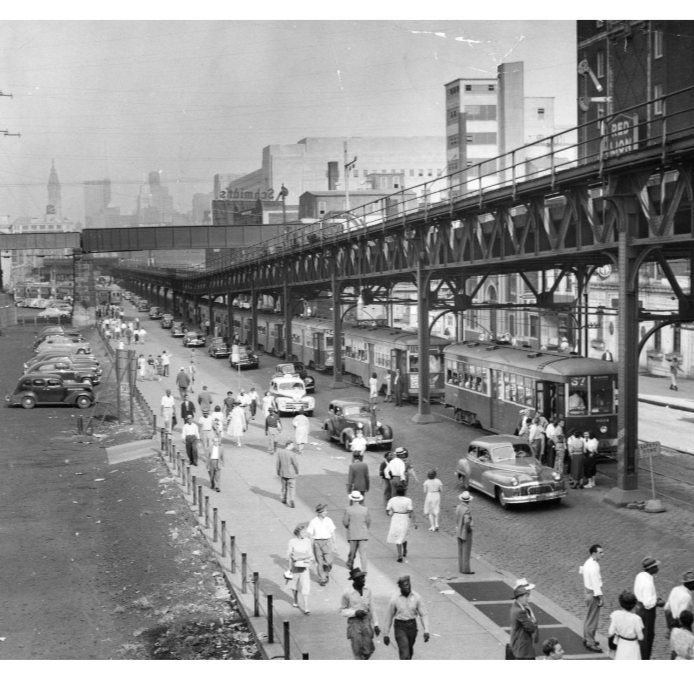
Beginning in the 1910s, millions of Black people from the South moved to northern and western cities in what has been called the Great Migration. Philadelphia’s Black population tripled between 1910 and 1930, with most people moving here from Virginia, South Carolina, Georgia, and Maryland. Philadelphia’s reputation as a “city of homes” proved attractive for those seeking to purchase property, and by 1930 Philadelphia had higher rates of Black home ownership than any city outside the South. The green yards of West Philadelphia were particularly attractive, and these neighborhoods became known as “the land of sun porches, potted palms and second mortgages” for its Black residents in the early 20th century (Hardy 1985). One of these neighborhoods was the Black Bottom.
The boundaries of the Black Bottom were never fixed and different people have different definitions, but the area stretched roughly from 33rd Street to 40th Street, with a northern boundary at Lancaster Avenue and a southern boundary at or below Market Street. During its heyday in the first half of the twentieth century, the Black Bottom was a bustling neighborhood of homes and businesses. The average household consisted of two adults and four or more children. Black families both owned and rented their homes, and ran stores, barber shops, markets, and restaurants. Members of the community have shared many details about the neighborhood in oral histories… they enjoyed sitting on their front steps having conversations with neighbors… children jumped rope while adults pitched horseshoes or dressed up to go to the movies. Parents did not worry for their children’s safety and doors were often left unlocked.
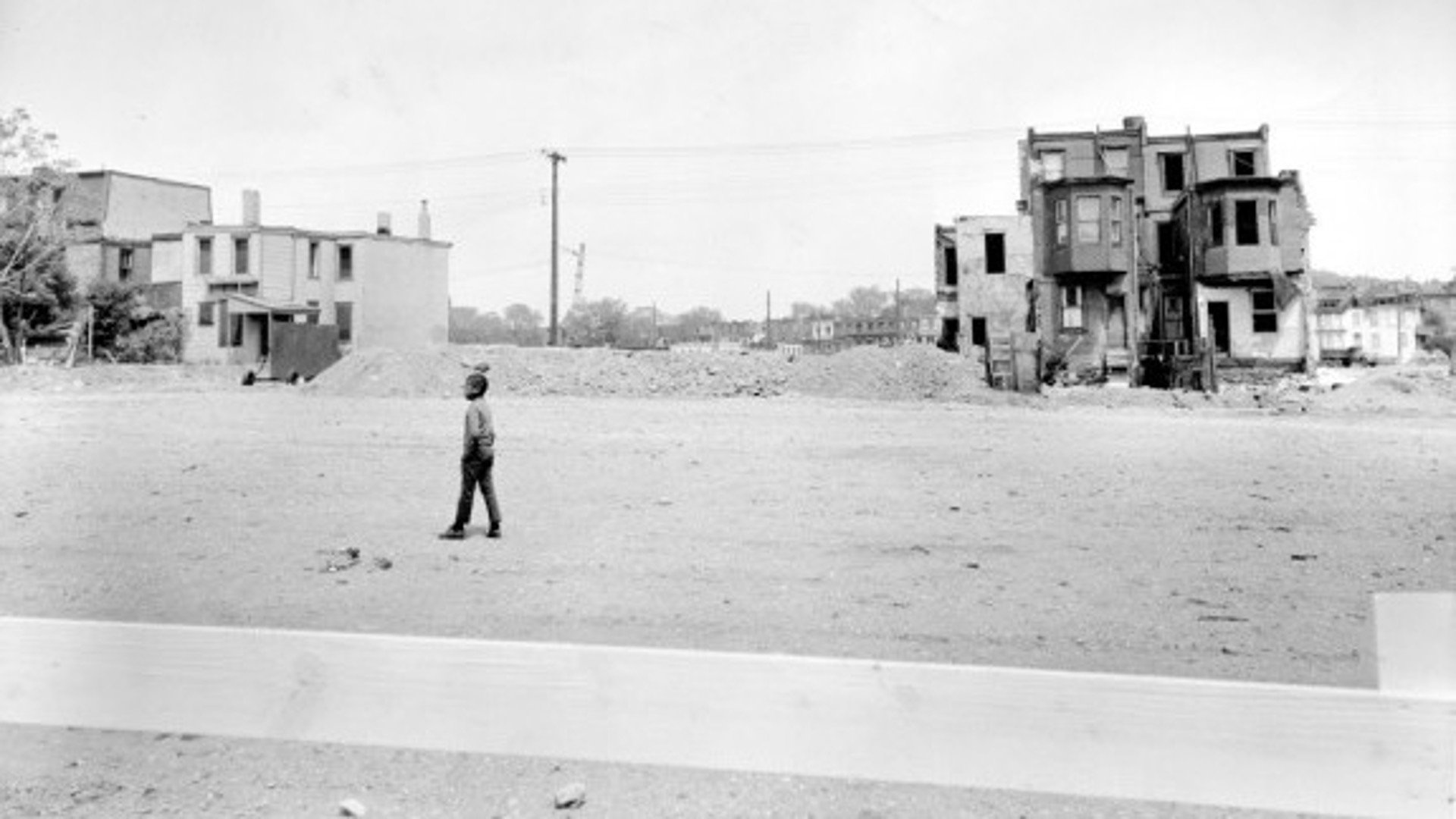
Beginning in the 1950s, deindustrialization and gentrification produced drastic changes in the Black Bottom neighborhood and many others like it. Educational institutions, like the University of Pennsylvania, received immense governmental backing and increased public recognition of their research and academic efforts, giving them a powerful level of authority over local communities. Concurrently, the Housing Act of 1949 allowed the federal government to share the cost incurred by local authorities in purchasing and cleaning up “blighted” areas for the betterment of such educational institutions. It is under these conditions that the Black Bottom neighborhood was demolished in the 1960s when the West Philadelphia Corporation urged the Philadelphia Redevelopment Authority to deem it “blighted” and seize, demolish, and develop it into what is now called “University City.”
For more information, see:
The Black Bottom (Dr. Walter Palmer)
Goin’ North: Stories from the First Great Migration to Philadelphia (West Chester University)
West Philadelphia Collaborative History (University of Pennsylvania)
The Great Migration: A City Transformed (Scribe Video Center)
Philadelphia: Black Bottom (Segregation By Design)
Becoming Penn: The Pragmatic University
University City: History, Race, and Community in the Era of the Innovation District